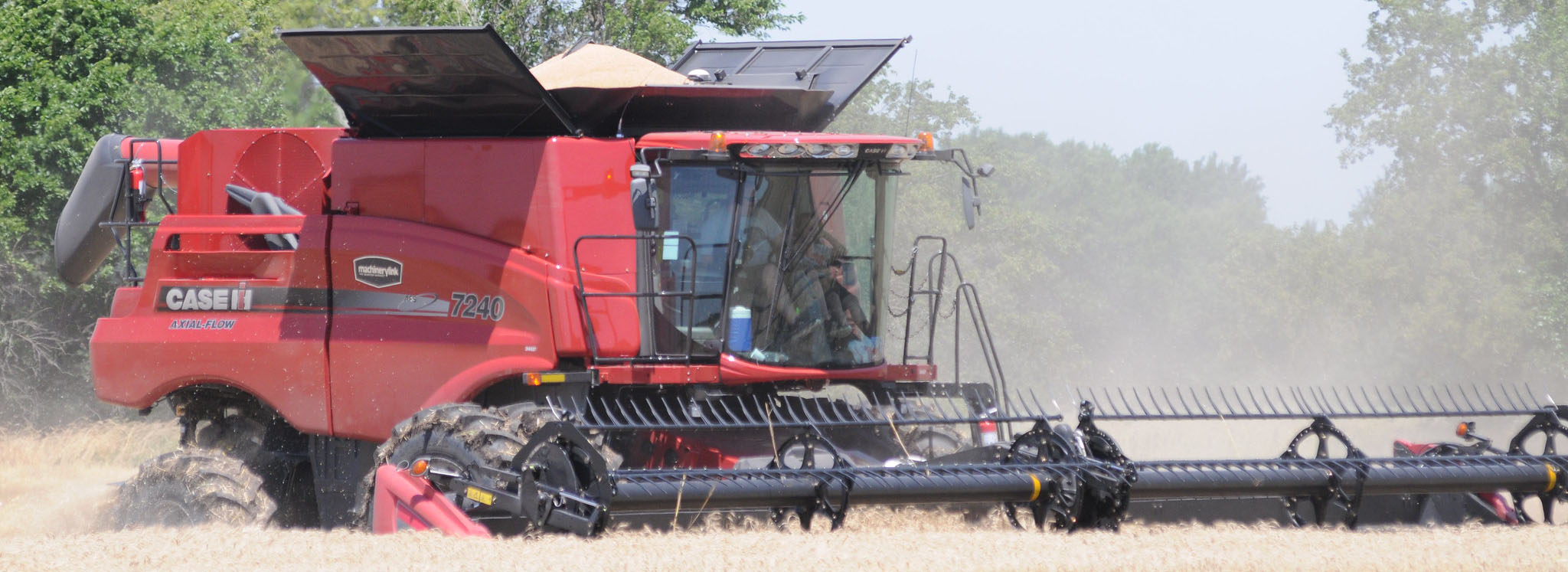
Kansas State University weed specialist Sarah Ganske is urging farmers to keep a watchful eye for next year’s weed problems, even as they bring in this year’s harvest.
Ganske, a K-State Extension weed scientist, said growers should use time in the combine or grain cart to scout for “escapes” — weeds that survived this year’s control program — and to tighten equipment-cleaning practices.
“We often don’t think about weed management in the fall,” Ganske said.. “But actually, it’s an important part of the cycle of having good weed management programs across all your acres.”
She said producers can learn a lot about weed control as they move through fields at harvest.
“We can be on the lookout for areas where we had weed escapes in the current season, because that is going to tell us where we can expect weed problems in the future,” Ganske said.
Identifying which species survived and where they are located helps growers predict future weed pressure, spot potential herbicide resistance, and decide whether to adjust herbicide programs or add fall cover crops such as cereal rye.
Pigweeds — including Palmer amaranth and waterhemp — remain among the most troublesome weeds. Ganske also listed morning glories and velvetleaf as concerns. A newer problem is hophornbeam copperleaf, especially for corn producers because it emerges later in the season.
According to Ganske, escapes often occur in low spots where the crop is less competitive; on headlands that see more traffic and disturbance; and along fence rows.
Those patterns can help farmers identify areas of differing productivity and decide whether “zone management” is needed — for example, increasing herbicide rates or changing products in certain parts of the field rather than treating every acre the same.
Sudden changes in the size or location of patches should raise a red flag.
“If that weed patch is changing in size, (or) if that weed patch is in an unexpected place … it would be important to note,” Ganske said. “Those are the ones we need to watch and be most concerned about.”
While growers are scouting for problem areas, Ganske said they also should consider how to avoid moving weed seeds from one field to another.
She recommends planning harvest so that heavily infested or potentially resistant fields are harvested last or at the end of the day, when there is time for more thorough cleaning. Cutting around weedy patches can help prevent plugging the combine and limit the amount of seed entering the machine.
Cleaning equipment between fields is critical to reduce “hitchhiker” seeds, Ganske said. Most seeds accumulate in a few spots, so focusing on those areas can have a big impact.
Rainy days during harvest offer an opportunity for more thorough service and cleaning. Ganske also reminded growers to watch grain cart tires, which can pick up seeds, and to ensure that tillage and planting equipment is not dragging weed parts from one field to another.
More information is available in the weekly K-State Agronomy e-Update article, “Weed Management Practices, Fall Scouting, and Equipment Cleaning,” and through local K-State Extension offices in Kansas.