The combines are rolling and the grain trucks are traveling the roads to get corn delivered to our local elevator. While we actually started picking corn in August, the hot summer days have continued into September.
The thermometers have shown triple-digit temperatures for many consecutive days now. Add in the consistent Kansas wind and you have what feels like a blast furnace outside most days.
It’s been so hot and dry that my husband decided to pick a field of corn at night just to take advantage of the somewhat cooler temps and potential evening humidity. It was just too hot and dry during the day to harvest the crop.
Schools have also made adjustments due to the heat recently. My son’s football team has had many of their practices moved to the mornings prior to the start of their school day.
The start times for sporting events in our area have also been pushed back to allow the temperatures to drop just a few degrees before a game begins. During my son’s first home football game, the game would routinely stop and athletes and referees would take mandatory water breaks.
Water bottles have also been loaded onto my kids’ school bus so they can drink during their way home following a day at school.
I’ve assumed a religious routine of checking and filling the water trough that the cattle in our pasture rely on. I’ve worn multiple paths through the dry, crunchy grass to get the hydrant turned on and the water flowing. There have recently been some days where I could barely keep up with the refills. Thankfully, our creek still holds pools of water as another water source for the animals.
All through this heat, I’ve been keeping a close eye on the cows in our pasture as their bellies have continued to grow. Generally, when the kids go back to school, I have two to three weeks before both high school football season and calving season kicks-off.
I’ve been concerned about how this heat has impacted those mama cows this summer – especially during this recent heat streak. The cows have actually changed their daily routine. Normally they’ll come in once in the morning and once in the late afternoon for water and to see if any apples have fallen off my apple trees. It allows me the chance to look them over and make guesses on who is going to calve first.
But for the last two weeks, they’ve come in late after the sun goes down to drink from the trough and then stay within the shade of the trees and the creek bed near the water pools during the days. Their change in routine has made me go out to check on them and their water sources.
So I was pleasantly surprised when I rode out to them on the four-wheeler one recent morning to treat them to some range cubes and I spotted the first calf of the season staring back at me.
Aside from some special cases, we don’t normally name the cattle. But I think I’ll make an exception with this one. Muy Caliente, or Cali for short, is what she’ll be known as from this day forward.
Hopefully, the cooler, fall temperatures arrive before the rest of these calves do. If not, I might have to make a few more naming exceptions to remember the hot calf crop of 2026.
_ _ _
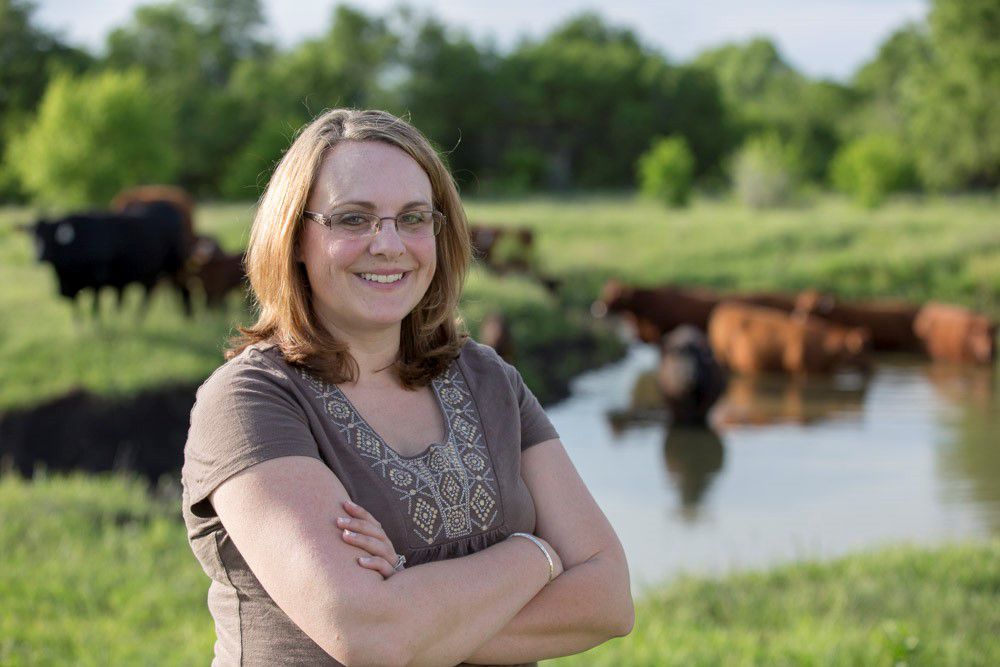
Kim Baldwin is a McPherson County Farmer and rancher
“Insight” is a weekly column published by Kansas Farm Bureau, the state’s largest farm organization whose mission is to strengthen agriculture and the lives of Kansans through advocacy, education and service.