Just like people, no two cattle operations are the same. But with recent record-breaking cattle market prices, faculty with Kansas State University’s Beef Cattle Institute are offering insight on how cow-calf producers might best capitalize on the market’s momentum.
“Eliminating as much debt as possible is crucial,” K-State veterinarian Todd Gunderson said. “Operating debt-free is a significant blessing for ranchers when possible.”
Record keeping, while not directly profitable, can play a major role in identifying ways to improve margins.
“Investing just a few hundred dollars in a disciplined record-keeping approach can provide valuable insights into operational performance,” K-State agricultural economist Dustin Pendell said.
K-State veterinarian Brad White echoed the value of good records, adding that they are often the foundation for more informed and profitable decision-making.
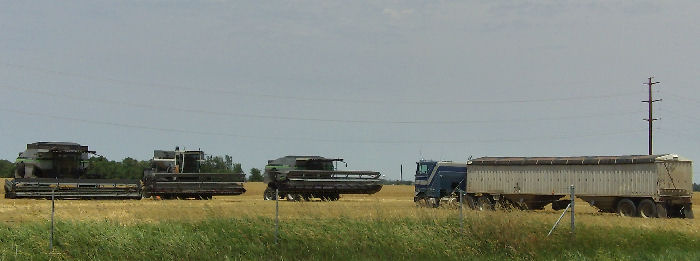
Beef cattle nutritionist Phillip Lancaster said producers should also consider alternatives to traditional haying systems, especially as equipment continues to depreciate quickly and the cost of new machinery rises.
“Ranchers often want to invest in new tractors and hay equipment when the real opportunity lies beneath their feet,” Lancaster said. “Every acre of grazing land represents a potential efficiency gain.”
Lancaster encouraged producers to maximize forage utilization as a way to reduce operational costs.
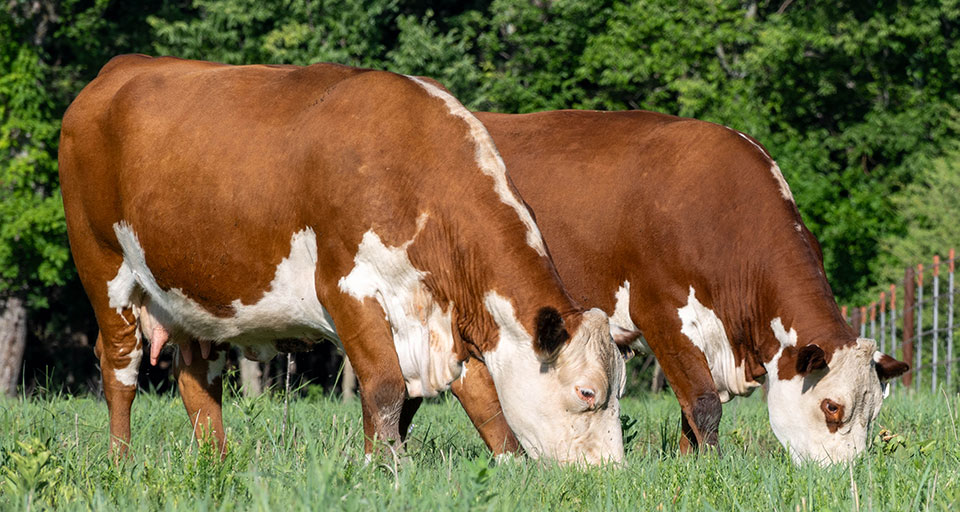
“When a cow can effectively graze versus me spending time and resources harvesting feed, we’re talking about significant economic advantages,” he said.
K-State veterinarian Bob Larson emphasized the relationship between improving forage utilization and economic efficiency, encouraging producers to look at long-term investments in such cost-saving strategies as cross-fencing and water improvements.
Building on that, veterinarian Scott Fritz suggested facilities as another area where investment can lead to long-term gains in safety and efficiency.
“Sometimes those old working facilities are flat-out dangerous for employees and animals,” Fritz said. “If you’re hurt, you take away from the labor you have, and if it’s a one-man operation, that’s a significant loss in day-to-day management.”
More on this topic — including monitoring calves on feed and managing risk — is available on the latest episode of the K-State BCI Cattle Chat Podcast.