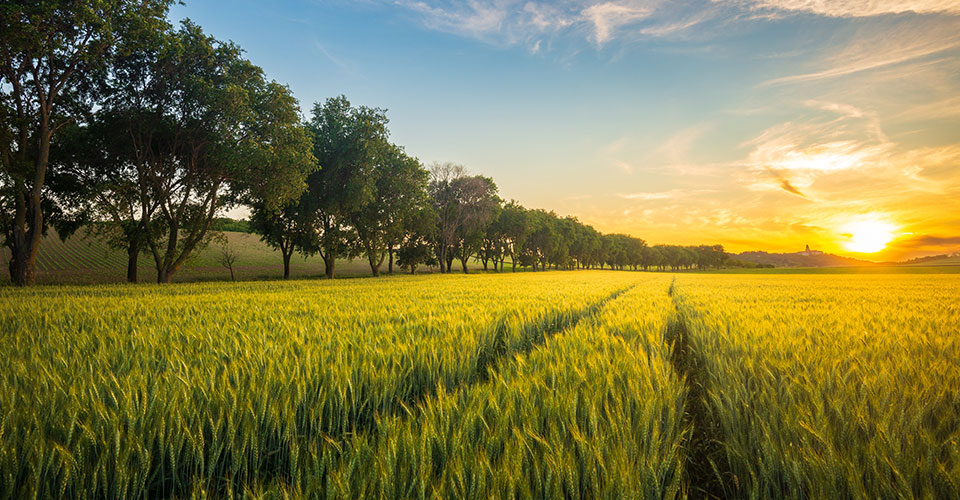
A combination of weather extremes, drought conditions and pest pressure is creating challenges for Kansas wheat producers as the 2026 growing season continues, according to experts on the Kansas State University Agriculture Today podcast.
K-State agronomists Logan Simon and Jeanne Falk Jones say Kansas wheat has experienced significant temperature swings in recent months, raising concerns about crop growth and development.
“We’ve really seen a combination of issues this year,”Jones said. “It’s not just one factor—it’s weather, moisture and pests all playing a role.”
Jones said parts of Kansas experienced temperatures ranging from 12 to 24 degrees. These extreme cold events came after periods of warmer weather, creating stress on wheat during key developmental stages.
In the weeks following those cold temperatures, Jones said producers are beginning to evaluate potential damage in their fields.
“In the last 10 to 14 days, we’re starting to see some regrowth on those plants,” Jones said. “When you split those stems, you want to see something that’s light green. If it’s dark brown, yellow or squishy, that’s an indication of injury.”
Beyond temperature stress, dry conditions—particularly in western Kansas—are adding another layer of concern. Limited soil moisture has slowed growth and may reduce yield potential if conditions persist.
Simon emphasized pest pressure is also emerging in some areas of the state.
“In the southern part of Kansas, the brown wheat mite has also been an issue,” Simon said.
With multiple stressors affecting the crop, Jones emphasized the importance of taking a measured approach before making management decisions.
“We need to proceed with caution about what our wheat is looking like at this point,” Jones said. “It’s challenging to wait to make decisions, but it is important.”
As the crop continues to develop, Kansas producers are navigating a season defined by wide-ranging weather extremes. To learn more and hear the full discussion, listeners can tune in to the Agriculture Today podcast.