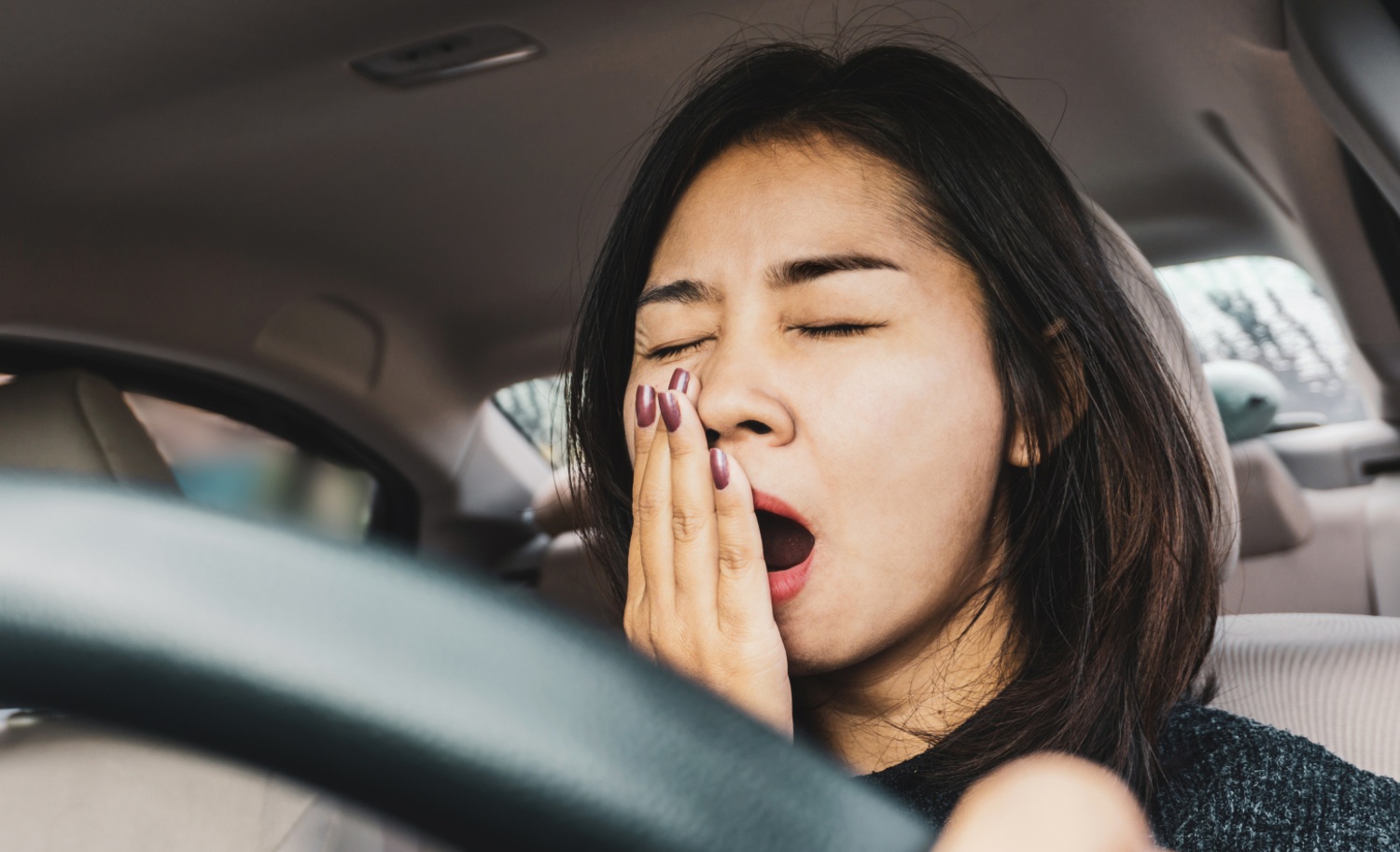
As we prepare to turn our clocks back an hour at 2 a.m. this Sunday, with the end of Daylight Saving Time, many may rejoice for the extra hour of sleep. However, AAA Kansas is reminding drivers to prepare for potential challenges, such as changes in sleep patterns that may increase chances of drowsy driving, and shorter days that mean driving home in the dark.
According to the agency, the end of daylight saving time adds another risk to Halloween weekend. Although clocks “fall back” at 2 a.m. Sunday, late-night celebrations can still leave drivers fatigued, while earlier sunsets reduce visibility for motorists, pedestrians and cyclists. AAA Foundation research estimates drowsy driving was involved in 18% of traffic fatalities from 2017-2021.
“The extra hour on the clock is not a substitute for a full night of sleep—especially after a late Halloween celebration,” Steward said. “Drowsiness slows reaction time, weakens judgment and can cause brief ‘microsleeps’ behind the wheel. Drivers should aim for at least seven hours of sleep, avoid medications that cause drowsiness, and pull over in a safe place if they have trouble keeping their eyes open, drift from their lane or cannot remember the last few miles.”
Drowsy driving contributes to multiple crashes every year. Tired drivers are not as focused and are at risk of being distracted.
First responders, construction workers, and people stranded with a vehicle breakdown on the side of the road are especially vulnerable to drivers who are not paying attention and are in greater danger of being hit. Almost 2,000 people were killed outside of the vehicle, in roadside crashes over the five-year period from 2017-2021, and nearly 1,500 – more than 75% of those deaths occurred after dark, according to data* analyzed by the AAA Foundation for Traffic Safety. This is important always, at all hours, but it is even more critical, as the days grow shorter and it gets dark earlier.
In addition to driver dangers, pedestrians are also particularly vulnerable as the sun sets earlier. In 2021, 76% of pedestrians were killed in collisions that occurred when it was dark, with another 4% occurring during dusk or dawn, according to NHTSA.