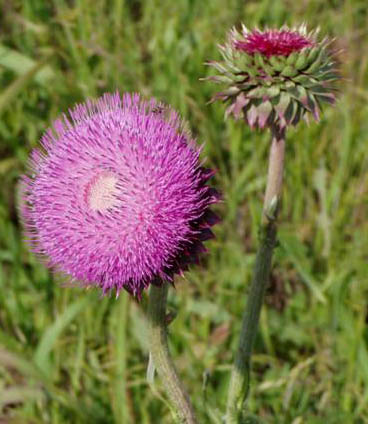
Updates to the Kansas noxious weed list will take effect this month, following an extensive process led by the Kansas Department of Agriculture. The revisions update weed designations and control methods, impacting producers and others responsible for managing land across the state.
According to the Kansas Livestock Association, changes include removing pignut from the list and adding several species across three categories. Spotted knapweed and diffuse knapweed were added as Category A noxious weeds; common teasel and cutleaf teasel were listed under Category B; and Amur honeysuckle was added to Category C. These updates are based on risk assessments from the state Noxious Weed Advisory Committee, which reviews noxious weed classifications and control strategies and provides guidance to the secretary of agriculture. This strategy is meant to identify invasive weeds before they become a problem across the state.
Kansas classifies noxious weeds into the above categories based on their presence and level of threat. Category A weeds are not widely established in the state and are targeted for eradication. Those in Category B are present in certain areas and require control to prevent further spread. Category C weeds are more widespread and are managed to reduce their impact over time.
Under Kansas law, landowners are required to control designated noxious weeds using approved control methods. These changes may require some to implement management practices for newly listed species. These new weeds now are eligible for reduced-cost herbicides through local county weed departments.
More information about the Kansas Noxious Weed Control Program, including full details on the updated list and management requirements, is available here.