When retail prices for any consumer product reach record-high levels, a corresponding drop in demand usually materializes in short order. However, according to CoBank, beef seems to be one of the exceptions. While retail beef prices have risen sharply in recent years, demand has not softened. In fact, USDA data shows the all-fresh retail beef demand index climbed to its highest level in at least 25 years during the second quarter.
According to the Kansas Livestock Association, new research from CoBank’s Knowledge Exchange indicates this likely is a result of several factors currently shaping consumer food-buying behaviors. Key among those is the heightened interest in dietary protein, changing health perceptions surrounding beef and the availability of restaurant-quality beef at retail grocery stores. “Twelve months ago, the question was whether beef demand would hold up at higher prices, but today most analysts are fairly certain that beef value risk is to the upside,” said Brian Earnest, lead animal protein economist with CoBank.
“Retail per capita beef consumption is headed for 60 lbs. this year. U.S. consumers can’t seem to get enough protein these days and among animal proteins, beef remains king.”
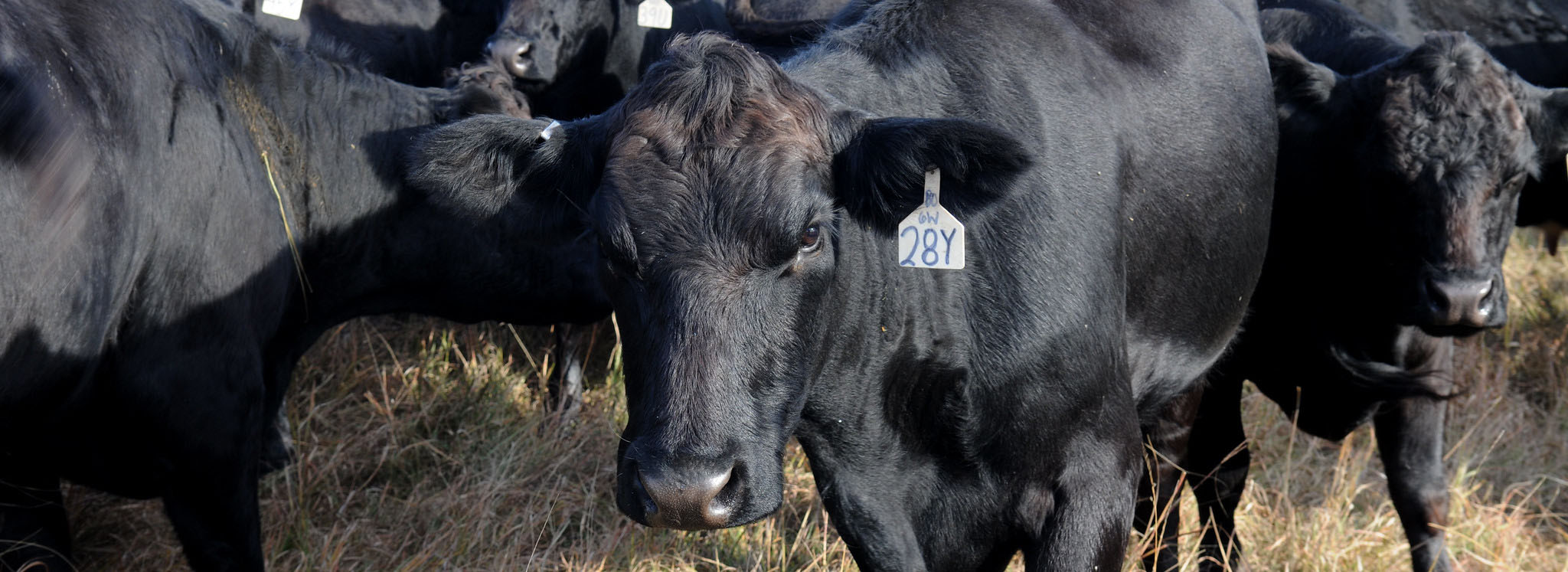
The USDA cattle inventory report released July 25 revealed the lowest midyear count on record at 94.2 million head—a 75-year low. With most analysts suggesting the nation’s cattle supply will remain tight through at least 2026, and likely 2027, predictions are that beef prices will stay elevated for the foreseeable future.