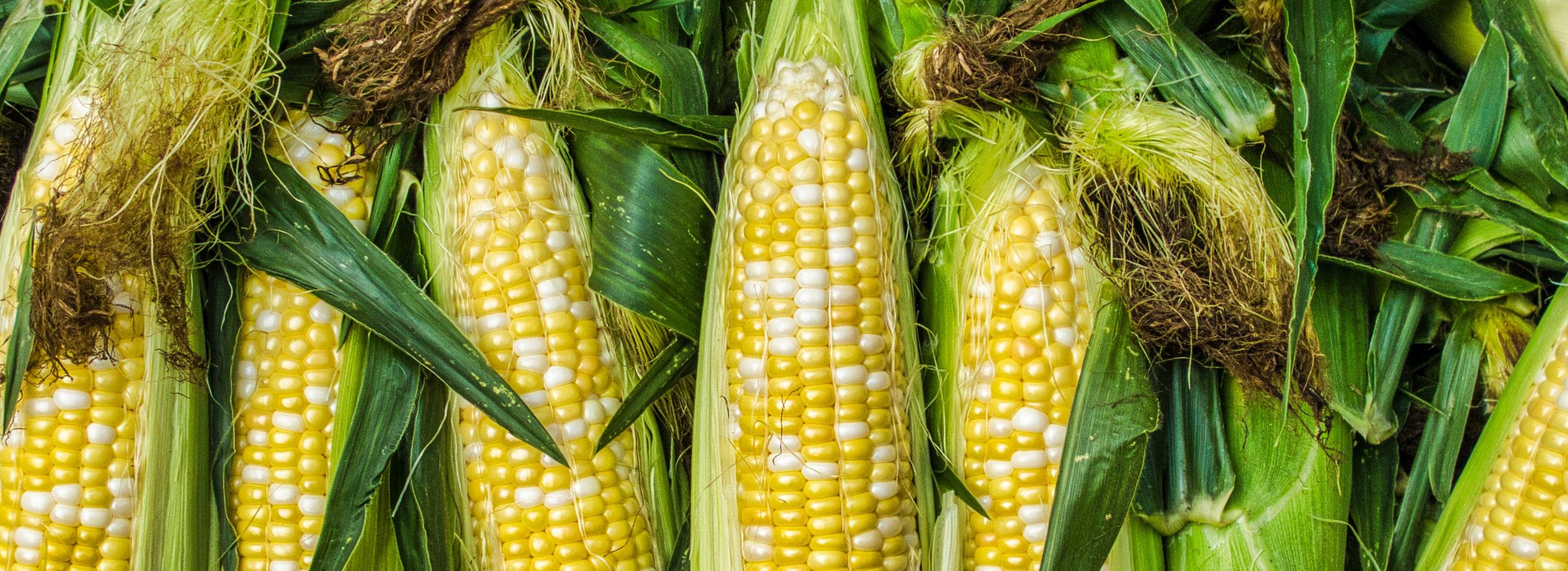
Many home gardeners understand a sad truth about the corn earworm: the little critter loves sweet corn just as much as humans do.
It creates a yearly battle to fight back the pesky insect. The adult corn earworm moth lays eggs on developing corn silks and as soon as the eggs hatch, larval corn earworms go to work.
“Feeding starts at the tip of the ear and works down,” said Kansas State University horticulture expert Matt McKernan.
Corn earworms feed on each other as well as the corn, so even though multiple eggs may hatch on an ear, usually only one caterpillar is found in each ear, McKernan said.
Protecting sweet corn from earworms comes with a couple time-dependent challenges. As corn silks continue to grow, any new silk that is left untreated can be targeted by earworms. McKernan recommends applying insecticides every 2-3 days from when silks first appear until they become brown in order to be effective, “especially in late June to early July, when peak flight of these moths usually appear,” he said.
Additionally, adult earworm moths prefer juicy silks instead of dry silks, so insecticide only needs to be applied the first two weeks of silking.
Which insecticides are most effective? For home gardeners, McKernan recommends Spinosad, an organic insecticide. Spinosad applications will need to completely cover both the end of the ear and the silks, to control larvae as the eggs hatch.
Another organic choice is mineral oil or other light horticultural oils. To treat the corn with oils, fill a medicine dropper ½ to ¾ full of the oil, then apply inside the silk end of the corn’s ear – where the tips of the silk begin to wilt and brown. McKernan said the oil will kill any earworms present and prevent more earworms from entering the ear.
However, he said, take note that applying oil before the silk has begun to brown may lead to partially unfilled ears, as the oil will interfere with pollination.
“There are several other options for controlling corn earworm, including planting early and experimenting with different cultivars to reduce caterpillar pressure,” McKernan added. “If all else fails, share the bounty – simply cut off the damaged parts of infested ears at harvest, and enjoy the portion not fed on by the caterpillar.”
McKernan and his colleagues in K-State’s Department of Horticulture and Natural Resources produce a weekly Horticulture Newsletter with tips for maintaining home landscapes and gardens.
Interested persons can subscribe to the newsletter, as well as send their garden and yard-related questions to [email protected], or contact your local K-State Extension office.