Dusty pastures, tall summer grasses and buzzing flies aren’t just seasonal annoyances for cattle producers — they’re risk factors for pinkeye, one of the most common and costly eye diseases in beef herds.
In a recent episode of the Beef Cattle Institute’s Cattle Chat podcast, Kansas State University veterinarians and researchers shared practical steps producers can take to reduce the spread of the disease.
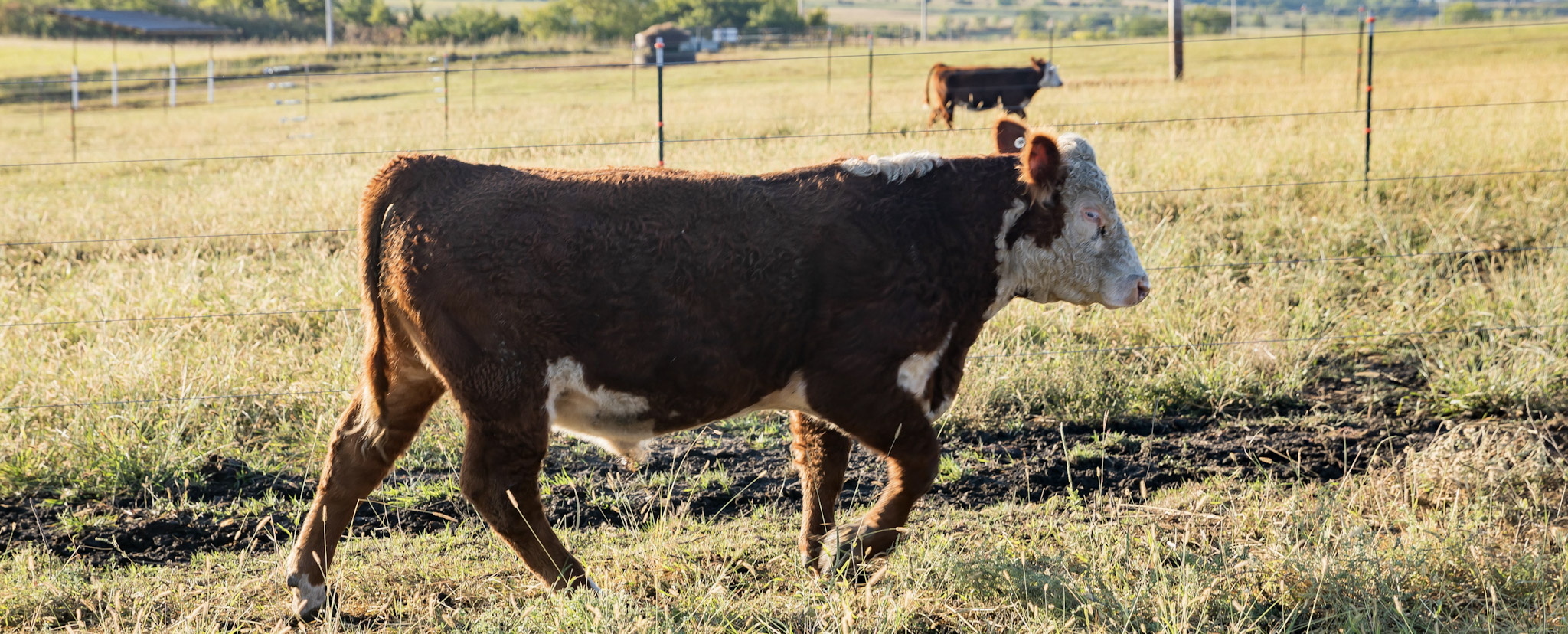
“Certain breeds, like Herefords, are more susceptible to pinkeye,” K-State veterinarian Brad Gunderson said. “But because it’s a multifactorial disease, it would be almost impossible to breed cattle in a way that prevents pinkeye entirely.”
Gunderson emphasized that no single management decision guarantees success. “All components have to be working together for an operation, and every operation is different,” he said. “Selecting genetics doesn’t necessarily mean you’ll significantly lessen the chances of pinkeye in your herd.”
Beef cattle nutritionist Phillip Lancaster pointed to pasture conditions as a key factor. “Tall, mature grass can cause eye irritation, which increases risk,” he said. “That’s why it’s important to manage grazing so forages stay in a vegetative state.”
Veterinarian Bob Larson noted that flies play an outsized role in spreading the disease. “A single face fly bite can move the germs from one animal to another,” Larson said. “It goes back to basic fly control to limit that ability.”
K-State experts stress the importance of spotting symptoms early. Signs such as tearing, squinting, swelling or cloudiness in the eye should prompt quick action. They recommend fly control, grazing management and having approved treatments ready when problems rise.
“Early detection remains critical,” Gunderson said. “Once corneal ulcers or scarring begin, the damage — both to vision and to animal value — is much harder to reverse.”
For more information on this topic, along with others, check out the recent BCI Cattle Chat episode.