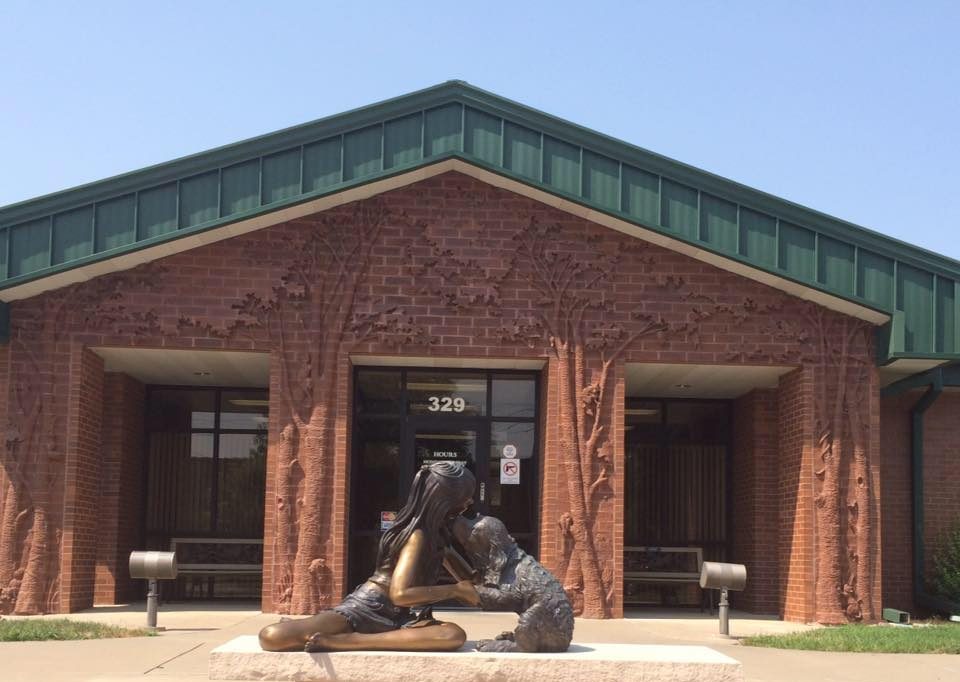
An independent consultant’s report on the overall operation of Salina Animal Services was released Friday.
Outside industry expert Animal Shelter Services LLC performed the assessment over a period of three days, and compiled an 87 page report.
The assessment comes after Animal Services Manager Monique Hawley and Operations Superintendent Andrea Murphy have been under scrutiny regarding shelter management for at least three years. The Saline County Attorney’s Office earlier this spring filed misdemeanor animal cruelty charges against both of them, and a jury trial is scheduled for September. Both are on administrative leave.
The constant theme of the assessment report was an overall failure by the shelter to maintain quality care for the animals.
The report indicated one positive thing, a dedicated staff. Despite multiple challenges, including the top two leaders being absent, the shelter has a committed staff who care deeply about the animals and want to do their best. They lack the tools though, including training, leadership, and the structure necessary to perform their duties safely and effectively. The staff is dedicated and willing but does not have the training, direction, or professional guidance necessary to perform their duties as per modern shelter standards.
The report reveals multiple concerns with the operation of the shelter. Among other things it concluded the shelter is not meeting the minimum standards of humane care expected of a municipal shelter, so much so that conditions may violate Kansas statutes regarding humane care and shelter standards.
There are many concerning issues identified, including maybe most notably evidence that conditions at the shelter pose immediate risks to animal welfare, staff safety, public health, and regulatory compliance.
A parvo outbreak occurred during the on-site assessment, and was mishandled from the very beginning. Parvo, or canine parvovirus, is a highly contagious, severe viral illness that mostly affects young puppies and unvaccinated dogs.
Some of the major issues identified include cleanliness concerns, stemming from what is described as widespread and systemic failures in sanitation, disinfection, and biosecurity practices. Daily cleaning practices, disease-control procedures, and environmental hygiene all fall significantly below accepted shelter standards and expose animals, staff, and the public to preventable health hazards.
The report found throughout the facility things like humidifiers, air purifiers, and fans were visibly dirty, clogged, and dispersing contaminants directly into the air to be breathed by both animals and staff. Many of the hand tools used for daily cleaning, things like “pooper-scooper” sets, trays, and rake assemblies, were never cleaned or sanitized after use. Most were left in animal housing areas contaminated with feces and urine, and staff routinely used them the following day in the same condition.
Most floor surfaces, especially in the dog housing areas and hallway, have extensive visible sections of brown film, consistent with biofilm accumulation. Biofilm is a slimy, glue-like layer composed of bacteria, mold, and organic debris like urine and feces. It acts as a protective shield, allowing viruses, harmful bacteria, and other pathogens to survive, multiply, and resist standard cleaning products. Its presence is a direct result of improper daily cleaning and sanitation.
Multiple record keeping discrepancies were also noted in the report, including some in violation of DEA and Kansas Board of Pharmacy standards. The issues puts the shelter in high risk of DEA and Kansas Board of Pharmacy enforcement action due to missing bottles, unaccounted volumes, incorrect balances, undated corrections, and impossible dosage totals. The discrepancies constitute major violations of federal and state- controlled substance requirements and create a clear diversion risk. The City stated in an email dated August 5 that it would self-report these discrepancies to the DEA.
The report concluded Salina Animal Services must undertake a comprehensive and immediate overhaul of its sanitation, cleaning, and biosecurity systems. A full environmental reset of the facility is needed before new protocols can be implemented. A reset requires more than routine cleaning. It involves deep cleaning every room, removing all crates, cages, kennels, and equipment so floors, walls, cove bases, vents, and high-touch surfaces can be fully sanitized, disinfected, and de-cluttered.
The assessment concluded with the right support, expertise, and investment, the organization can move back toward a modern, humane, and compliant municipal animal shelter. The city should contract with an outside, independent animal shelter professional.
The City has already started the process of contracting with an outside shelter provider. Officials formally issued a Request for Proposals on August 7th to solicit outside bids from private businesses or non-profits to manage and operate the animal shelter.