Monday, May 18, 2026, was a day that the Storm Prediction Center in Norman, Oklahoma had outlined as one to keep an eye on. As the weekend approached, the SPC refined their forecast and narrowed in on the area of concern, from central Kansas up into southwestern Iowa—an area outlined as having the potential for significant tornadoes and one that many in the storm-chasing world were targeting.
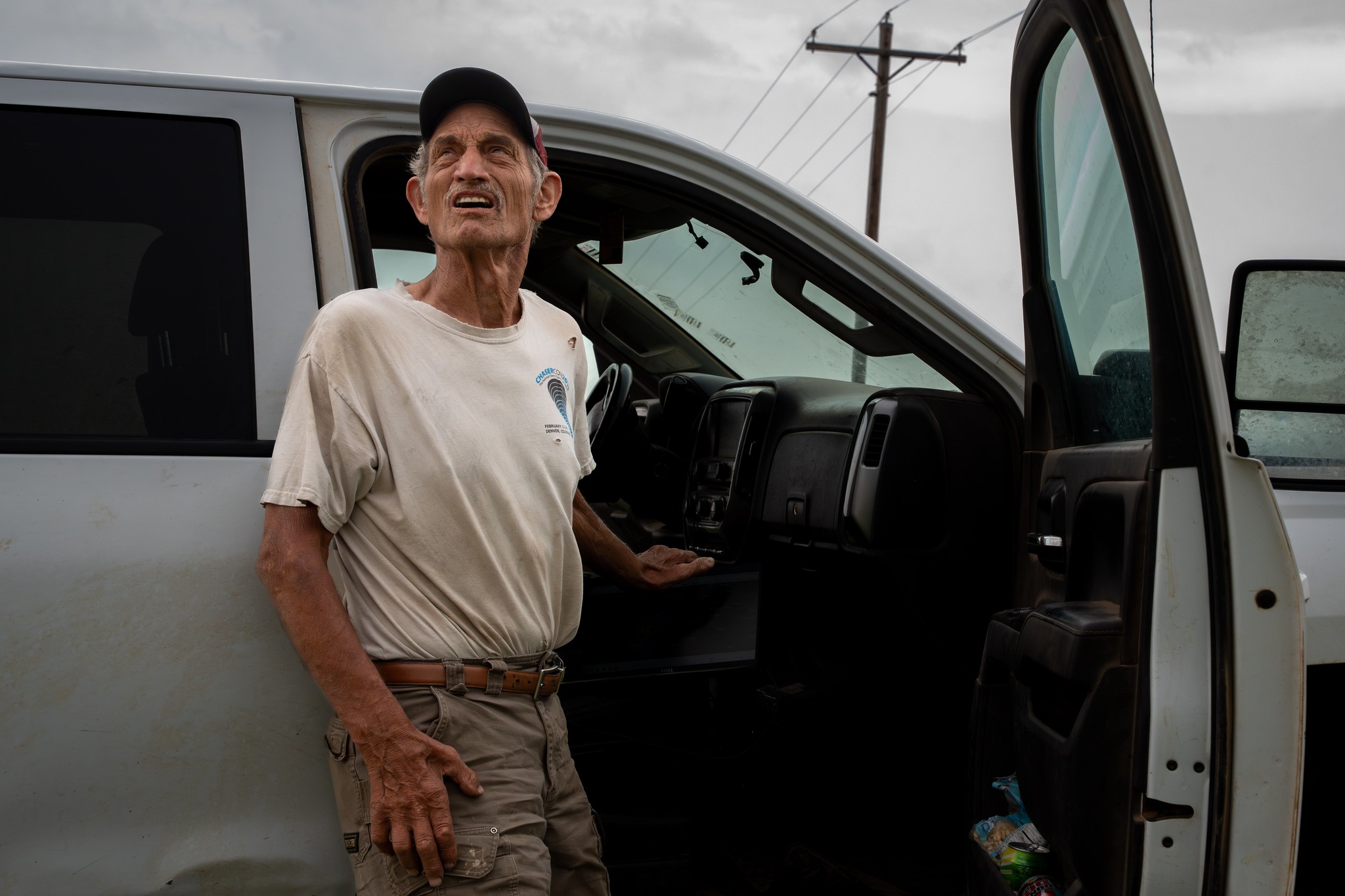
One such weather enthusiast and chaser is Henry Diehl. The Ellsworth County native was also keeping close watch on the potential. Henry’s family has homesteaded in eastern Ellsworth County for over 150 years. The Diehls are no strangers to service, with Henry, his wife Liz, and son Jeremy all serving on the local volunteer fire department. This dedication to service also carries into Henry’s love for learning and weather. At an early age, Henry recalls being fascinated when storms would develop. After graduating from Ell-Saline High School, Henry enrolled at Fort Hays State University to begin his prerequisite courses and eventually pursue a meteorology degree. While in Hays, his dad suffered a heart attack, and Diehl felt called back to help on the farm. While his dream of earning a meteorology degree may not have come to fruition, his willingness to learn and experience the power of Mother Nature continued.
It was in Diehl’s 20s that he learned of, and eventually met, who he considers his mentor, Tim Marshall. In the 1970s, chasing storms looked very different than it does today. The internet had yet to be invented, and chasers relied on the weather radio network and calling into local National Weather Service offices to communicate and pass along vital information. Marshall was one of the few chasers in those days, and it was Marshall’s work that sparked Diehl to venture farther away from the farm and make the jump from storm spotter to storm chaser.
Henry’s chasing career has taken him countless miles across the state of Kansas. In 2022, Diehl was recognized by the National Weather Service in Wichita for providing reports to their office since 1976. In 2018, Diehl’s nearly lifelong health battle took a turn when an autoimmune disease led to liver failure and eventually a transplant. During this time, Diehl also lost his leg due to complications from the autoimmune disease. Now 74 years old and wearing a prosthetic, Henry has kept his faith and positive attitude during and after the health issues. Diehl had to learn how to drive with his left foot and says getting ready to chase is more of a challenge, but adds, “You just take this in stride and move on doing the best you can with what you’ve got.”
On May 18th, I was able to join Henry and his son Jeremy. I arrived at Henry’s house around noon and watched as they loaded up the truck. Jeremy placed a rucksack filled with rescue supplies and a first aid kit into the truck, a flashlight and hard hat protruding from the top. “How long’s your chain?” Jeremy asked as he pulled a tow chain from the bed of the truck and stated that it should be long enough. They both ensured the chainsaw was packed, along with an air compressor. I asked if these were normal supplies for them to take along on a chase. Henry stated they only packed them on higher-end days.
Story by Tanner Colvin / Ask a Kansan
Tanner Colvin is renowned area photographer. He is also a photojournalist and producer with Ask a Kansan, a podcast focusing on the perspectives, lives, and stories of Kansans.