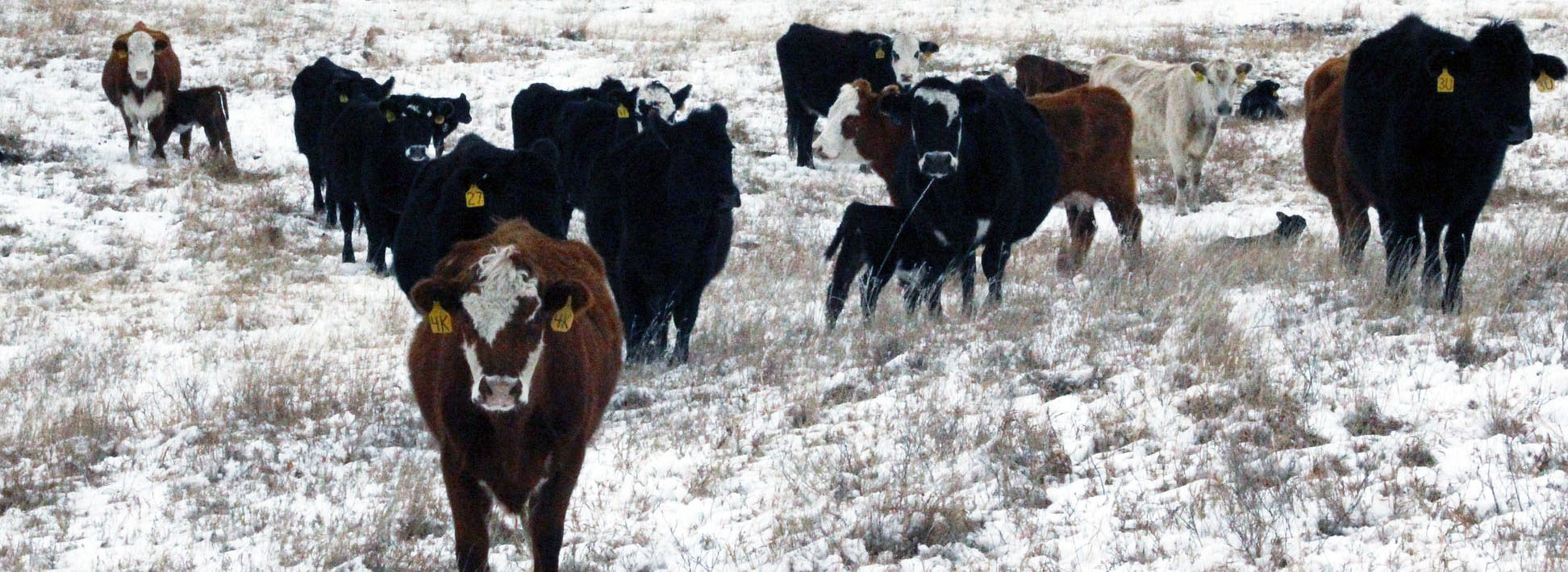
A single tick bite on a cow may not seem like cause for alarm, but according to Dr. Fred Gingrich of the American Association of Bovine Practitioners (AABP), “anaplasmosis still bites when you’re not looking.”
In a recent episode of the Cattle Chat podcast, Gingrich explained that the disease often slips into a herd quietly, only showing itself when cattle suddenly weaken, go off feed, or collapse under stress, much like how people don’t notice anemia until exhaustion sets in.
Anaplasmosis is caused by the bacterium Anaplasma marginale, which attacks red blood cells. The disease is primarily spread through ticks, though biting flies, mosquitoes, and contaminated equipment such as needles or dehorning tools can also transmit it,according to Kansas State University veterinarians.
Once infected, cattle may show pale gums, a yellowish tint to the eyes or skin, extreme fatigue, fever or reduced milk production. Older cows tend to be hit the hardest.
“One of the hardest parts is lag time (waiting period) because cattle can carry this infection and look fine until the stress of winter or calving pushes them over the edge.” Gingrich said.
He said management starts with early detection and rapid action. Treatment typically involves long-acting antibiotics prescribed by a veterinarian. Preventive measures also play a key role: controlling ticks, sanitizing equipment between their use on animals and minimizing contact between infected and uninfected cattle can significantly reduce risk, according to Gingrich.
Producers who suspect anaplasmosis should contact their herd veterinarian or reach out to professionals through AABP or the Academy of Veterinary Consultants (AVC).
While the cattle form of anaplasmosis is different from the tick-borne strains that can affect humans, Gingrich noted that the comparison helps remind people why tick control matters. For both cattle and humans, a bite that’s easy to overlook can lead to problems that are anything but simple to manage.
To learn more about this disease and ways to manage it, check out the recent Cattle Chat episode, produced weekly by K-State’s Beef Cattle Institute.