From weeknight ground beef to special-occasion steaks, consumers continue to see higher prices at the meat case. At its core, the beef market runs on supply and demand like everything else — but when you factor in production cycles, global trade uncertainty and a persistent U.S. taste for beef, that simple model gets complicated fast.
Supply and demand are ideally balanced when the available quantity aligns with consumer demand. Prices decrease when supply is abundant and demand is lower.
For consumers feeling the pinch, the reasons behind high beef prices are complex and shaped by rising costs, improved quality, changing eating habits and market uncertainty.
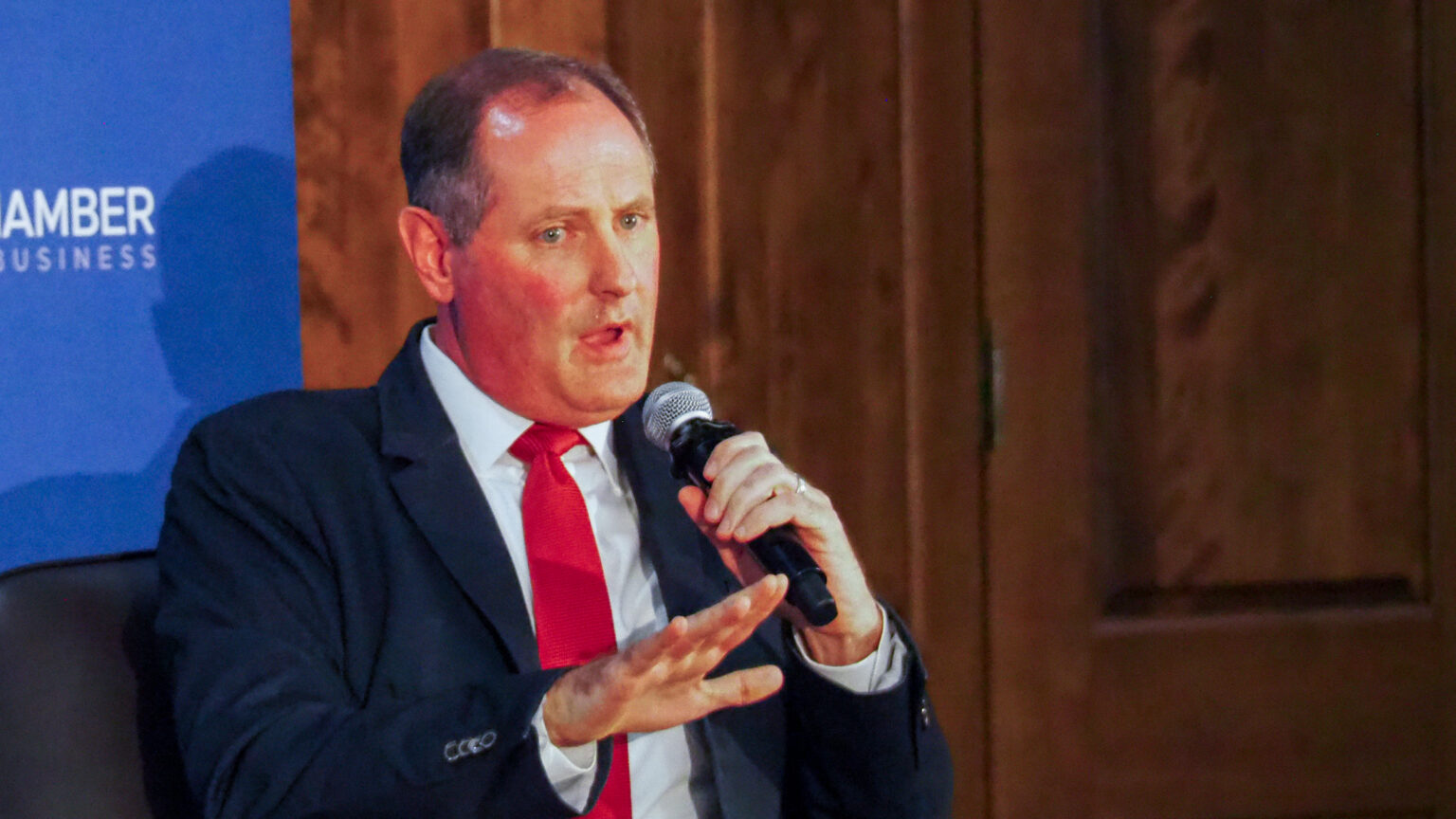
“Beef prices are higher because demand is strong and supply is tight,” said Glynn Tonsor, professor of agricultural economics at Kansas State University. “You have to understand both sides of that equation.”
Cattle supply: Where’s the beef?
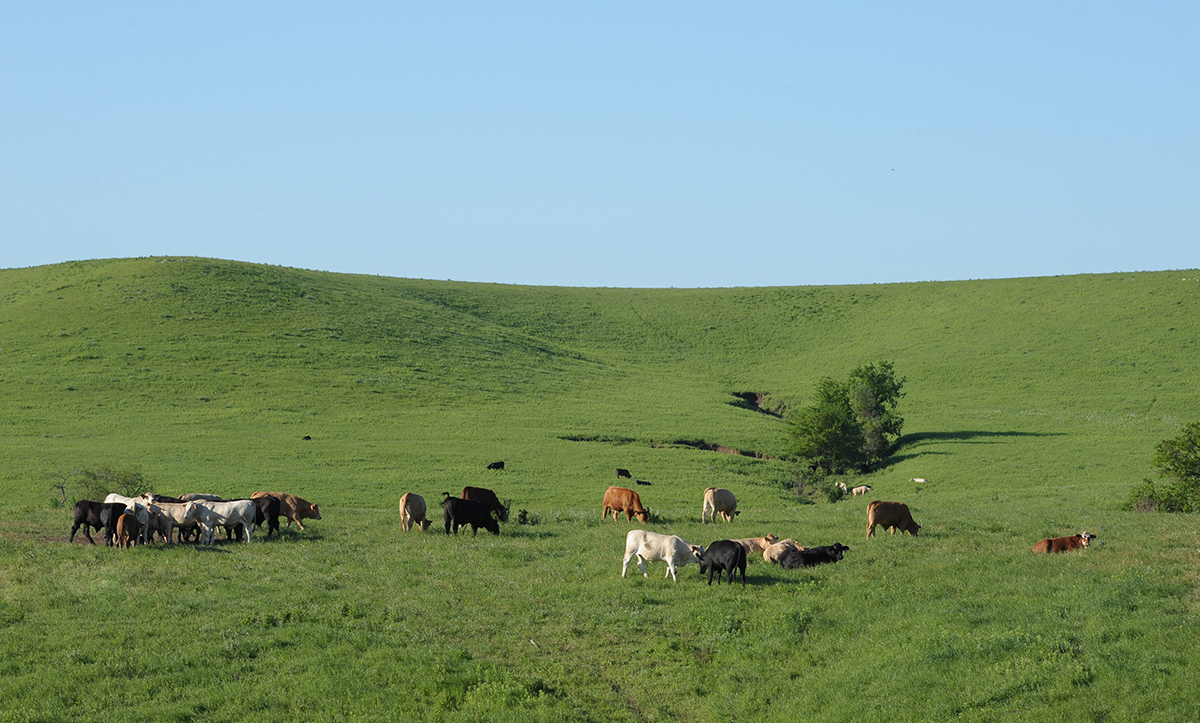
The U.S. cattle herd is currently at historically low levels. Fewer cows typically means less beef, but improvements in breeding, animal health and feed quality mean that each animal now yields more and better-quality beef than in the past.
Even so, Tonsor said the increased efficiency hasn’t been enough to fully offset the decline in herd size.
“Over the next couple of years, we expect less beef to be produced in the U.S. than in the past,” Tonsor said. “That tightening supply supports higher prices.”

The cost to maintain a single cow has risen by at least $200 in just the last five years, driven by inflation in feed, labor, fuel and equipment. Labor availability in agriculture has also worsened, making herd expansion more difficult.
Uncertainty adds another layer of pressure. Trade policy, export markets and long-term business conditions remain unpredictable, which can slow investments and limit herd growth.
“Anywhere you have elevated risk, most producers and business people more generally tend to get a little more conservative,” said Tonsor. “If you add uncertainty and risk, the tendency is to hold the cards close to the chest and be less willing to make a 20-year investment in that arena.”
Even when ranchers choose to increase their herd sizes, the beef industry’s multiyear production cycle means that larger herds do not lead to an immediate increase in supply. When a rancher keeps a heifer instead of selling it for market, there is a short-term reduction in beef supply.
Beef demand: Craving the sizzle
In 2024, Americans consumed more beef than the year before and spent more on it, even after adjusting for inflation. Tonsor said this combination signals growing demand.
A significant driver of that demand is quality. During the past 10 to 20 years, the quality of beef produced has significantly improved. Higher-quality beef tastes better to consumers.
“Taste is the most important factor in deciding whether someone buys beef,” Tonsor said. “More cattle are grading prime and choice, leading to a better eating experience and greater willingness among consumers to pay more.”
Tonsor leads the K-State Meat Demand Monitor, which tracks U.S. consumer preferences, views and demand for meat, providing the agricultural industry with vital consumer insights. The monthly survey is conducted online with more than 2,000 respondents reflecting the national population. This project is funded in part by the Beef Checkoff and the Pork Checkoff.
The meat demand project is finding that diet trends are also playing a role. Protein-focused eating has gained momentum across age groups. The rise of GLP-1 medications has further accelerated this shift, as many users reduce their carbohydrate intake and increase their protein consumption.
Even outside that group, younger generations are placing greater emphasis on protein for fitness and health, which strengthens demand for beef.
Looking ahead, Tonsor expects beef prices to remain elevated through at least 2026, assuming consumer income and confidence remain stable. Tight supply combined with steady demand will continue to put upward pressure on prices.
“I think it’s macroeconomic in nature,” Tonsor said. “If consumer incomes, the job and market environment, and so forth stay the same or better, I’m confident we’re going to have higher beef prices.”