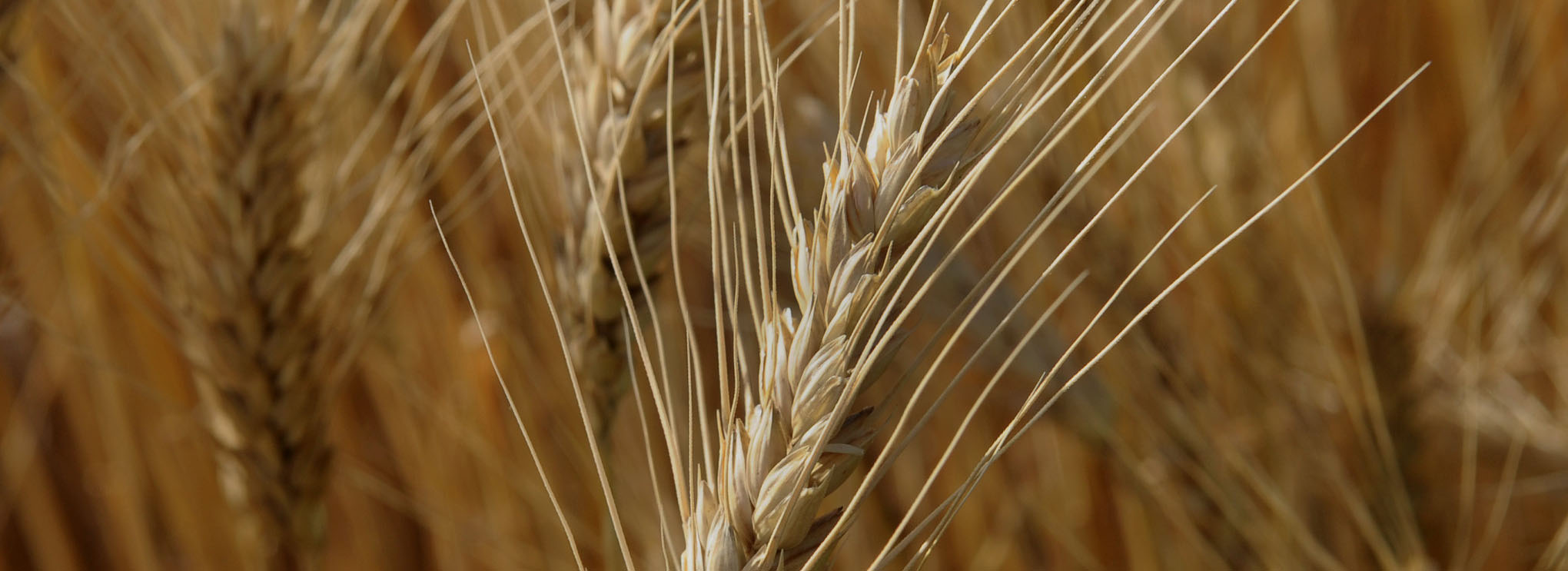
Kansas wheat farmers have seen a wide variety of conditions impact their crop in 2026. From frost to drought to wind and soaking rains, yields have suffered across the spectrum. Near Marquette, KS this past week, bushels per acre fell to about 20-bushels, with the high end yields topping out in the mid-30’s.
Can temperatures in the Pacific Ocean affect the ocean of wheat fields in Kansas?
Meterologist Cara Foster from Weatherology joined in on the KSAL Morning News Extra with a look at the recent heavy rains and high winds.
Foster says NOAA forecasters are paying close attention to changing conditions in the Pacific.
According to the National Oceanic and Atmospheric Administration, El Nino tends to be strongest during the winter months, and its global impacts are typically most significant in the northern hemisphere winter.
During a typical El Nino winter, the jet stream over the north Pacific Ocean tends to shift southward, bringing the storm track over the southern tier of the U.S. The southward shift in the storm track also leads to drier conditions over the Northern Rockies and Ohio and Tennessee valleys.
For temperatures, El Nino often leads to a warmer than usual winter over the northern U.S.