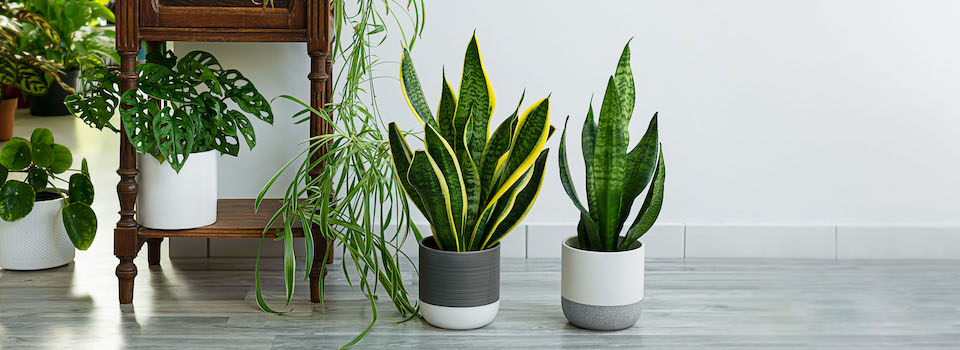
With the first widespread frost of the season expected in Central Kansas late Wednesday night into early Thursday, it is time to start bringing cold-sensitive plants indoors/
Kansas State University horticulture expert Cynthia Domenghini says “some gardeners move houseplants outdoors to bask in the summer heat and recover from the stress of an indoor environment,” Domenghini said. “Planning for their re-entry to the house is important so houseplants have time to adjust to the changes in growing conditions.”
Domenghini said the first step is checking for such insect pests as mites and aphids.
“Insect pests can be dislodged by spraying the foliage with a hose,” Domenghini said. “If insects are found in the soil, soak the entire container in lukewarm water for 15 minutes.”
She recommends discarding plants with heavy infestations. Once moved indoors, continue to monitor for pests to prevent spreading throughout the house. Domenghini said plant growth will slow indoors and plants require less water and fertilization.
“Most houseplants will benefit from receiving water only when the soil surface is dry. Fertilization will likely not be necessary until spring,” Domenghini said.
Next steps include helping plants adjust to the lower light conditions indoors gradually to prevent leaf drop.
“Place plants near windows with the brightest light. Over several weeks, move the plants further away until they’ve reached the desired location,” Domenghini said.
Supplemental lighting can be provided with grow lights. Domenghini said it is important to avoid cold drafts from doors and windows and heat from air vents. These extremes can put plants under stress.
Many houseplants come from tropical locations and favor humid conditions.
“Kitchens and bathrooms tend to be more humid areas inside the home. If space and lighting permits, this may be a good location for your plants,” Domenghini said. She also recommends grouping plants together to create a microclimate.
Domenghini and her colleagues in K-State’s Department of Horticulture and Natural Resources produce a weekly Horticulture Newsletter with tips for maintaining home landscapes and gardens.