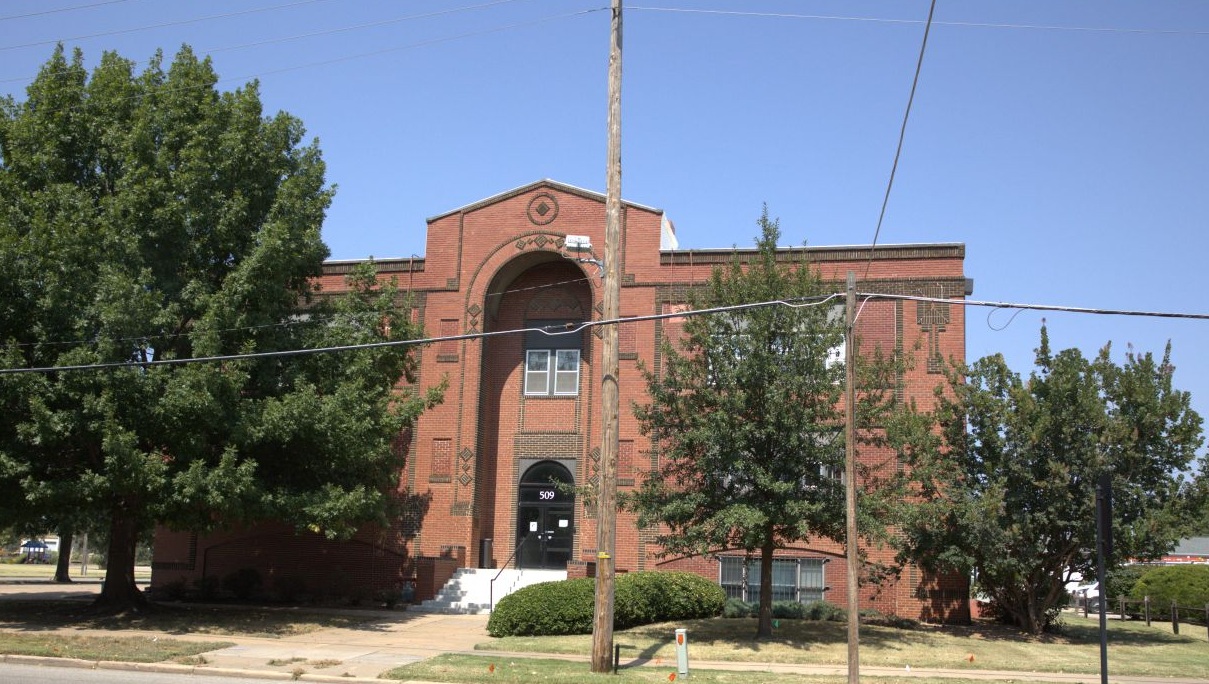
A historic building that at one time housed a segregated school in Salina is alive again. CKF Addiction Treatment has opened the Pathfinder Community Center inside the National Historic Paul Laurence Dunbar School, located at 509 East Elm Street.
According to the organization, the Pathfinder Community Center is a welcoming space designed to expand access to recovery support, connection, and hope for individuals and families across Salina and surrounding communities. It honors the building’s legacy as a cornerstone of community gathering and transforms it into a hub for healing and restoration.
The center is home to two core initiatives:
- Pathfinder Recovery Center — an established walk-in hub for adults seeking recovery support, peer connection, navigation services, and life-saving overdose prevention services.
- The Nest at Pathfinder — a new safe, youth-centered community space for adolescents ages 12–17 to access education, mentorship, recovery support, resources, and a place to land without judgment.
Both centers are now open Monday through Friday from 8:00 a.m. to 5:00 p.m.
To celebrate this milestone, CKF Addiction Treatment will host a come-and-go open house on Tuesday, March 17th, 2026, from 10:00 a.m. to 3:00 p.m. Community members, partners, families, and supporters are invited to tour the space, meet staff, and learn more about services designed to reduce barriers and strengthen recovery pathways.
“Recovery should not feel complicated or out of reach,” said Jessica Eckels, President & CEO of CKF Addiction Treatment. “The Pathfinder Community Center was created to remove roadblocks. Whether someone is ready for treatment, supporting a loved one, or just needs a safe place to ask questions, this is a space where they will be met with dignity and respect.”
The reopening of the National Historic Dunbar School as the Pathfinder Community Center represents both preservation and progress, honoring the building’s deep history while creating new opportunities for connection, belonging, and second chances.
No referral is required to walk through the doors. Services are accessible, welcoming, and rooted in the belief that recovery is possible for everyone.